
How Much Cash Should You Bring to Europe? A Practical Guide for Travelers
If you’re planning a European trip—whether it’s exploring Rome, cruising the Mediterranean, or visiting Athens—one of the most common questions travelers ask is:
How much cash should I bring?
The good news is that travel in Europe has become increasingly card-friendly, so you won’t need to carry large amounts of cash.
Here’s what you need to know before you go.
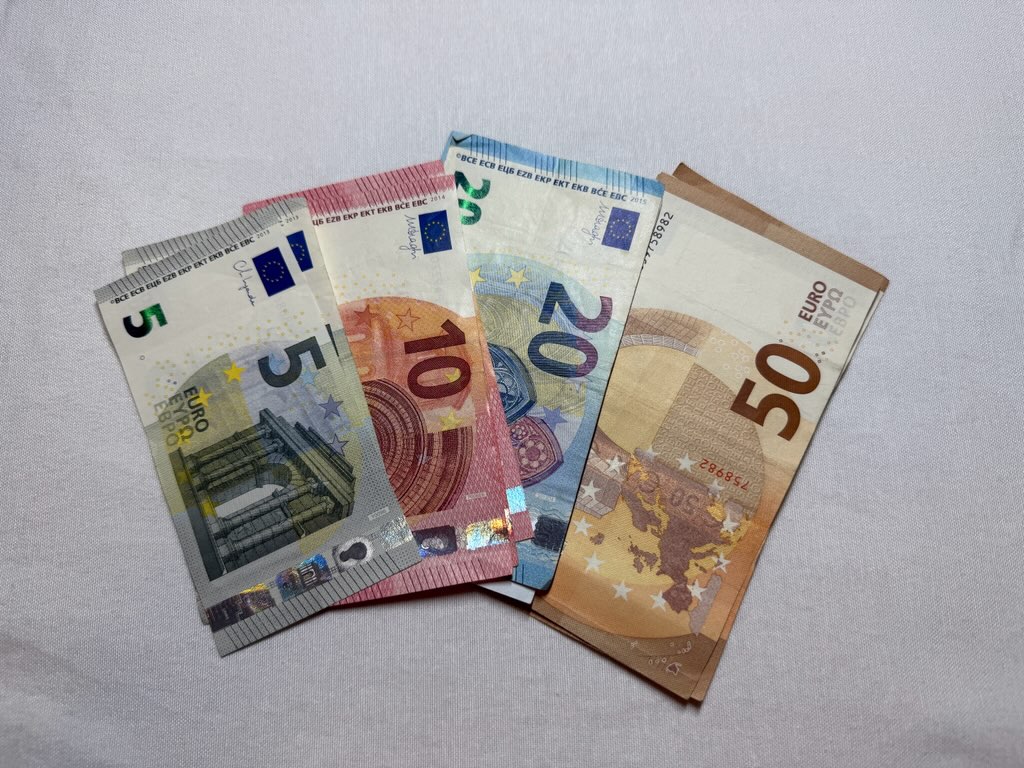
Use Credit Cards for Most Purchases
In major European cities, credit cards are widely accepted at:
- Restaurants
- Hotels
- Museums
- Transportation
- Shops
Bring two to three credit cards per traveler, ideally a mix of Visa and Mastercard, since these are the most widely accepted.
Look for cards that do not charge foreign transaction fees, which can save you around 3% on every purchase.
It’s also smart to keep one backup card in a separate place in case your wallet is lost or stolen.
How Much Cash Do You Actually Need?
For most travelers, €100–€175 per couple for a week long trip is plenty.
You’ll mainly need cash for:
- Coffee bars and small cafés
- Gelato shops
- Local markets
- Taxi drivers
- Public restrooms
- Small souvenirs
Even in popular cruise ports like Naples, Mykonos, and Heraklion, many places accept cards.
Should You Get Euros Before You Leave?
You can, but it’s not necessary.
If you prefer peace of mind, you can order €200–€300 from your bank about 1–2 weeks before your trip.
However, many experienced travelers simply withdraw cash from an ATM when they arrive in Europe because the exchange rates are usually better.
Where to Get Euros in Europe
The best option is to use ATMs attached to major banks.
Some reliable banks you’ll see across Europe include:
- UniCredit
- Intesa Sanpaolo
- Alpha Bank
- National Bank of Greece
Avoid currency exchange counters in airports or tourist areas, as they often charge higher fees.
When the ATM asks if you want to convert the currency to dollars, always select “charge in euros.”
Understanding Exchange Rates and Fees
If you’re new to international travel, it’s important to understand the difference between exchange rates and fees:
- Exchange Rate: The value your bank or ATM gives you for converting USD to euros.
- Bank ATMs usually give rates close to the official market rate.
- Currency exchange counters often offer worse rates, which means you get fewer euros for your dollars.
- ATM or Service Fees: These are extra charges that can appear on your statement.
- Your home bank may charge a foreign ATM fee ($2–$5)
- The ATM operator may add an international usage fee
- Always decline “dynamic currency conversion” (never choose to convert to USD at the ATM)
Tip: Even if the fees seem small, they add up if you withdraw multiple times.
Common Money Mistakes Travelers Make in Europe
- Carrying too much cash: It’s unnecessary and increases pickpocket risk.
- Using airport currency exchange counters: Often have poor rates and high fees.
- Not bringing a backup credit card: One card may get declined or frozen.
- Selecting “Convert to USD” at an ATM: Known as Dynamic Currency Conversion, it can cost 6–12% more.
- Not checking for foreign transaction fees: Some cards add a 3% fee on all foreign purchases.
Avoid these mistakes, and you’ll save money while traveling safely.
Cash Safety Tips for Europe
While Europe is generally very safe, busy tourist areas can attract pickpockets.
Places like Trevi Fountain, the Colosseum, and the Acropolis are known hotspots.
A few simple precautions can help:
- Use a crossbody bag with a zipper
- Carry only the cash you need for the day
- Split money between travelers
- Keep backup cash in your hotel safe
The Bottom Line
For most European trips, the simplest strategy is:
✔ Bring 2–3 credit cards
✔ Start with €100–€150 in cash
✔ Withdraw more from bank ATMs if needed
With this approach, you’ll have the flexibility and security you need while enjoying your trip.
Want more tips on how to travel internationally with ease? Check out other blog posts on international travel here.